
SEO for Financial Services: The Complete Guide
It’s not luck.
Top-performing financial firms apply the same SEO fundamentals. They optimize their sites for visibility, build authority through trust-driven content, and focus on where their clients actually search.
Take Charles Schwab, for example.
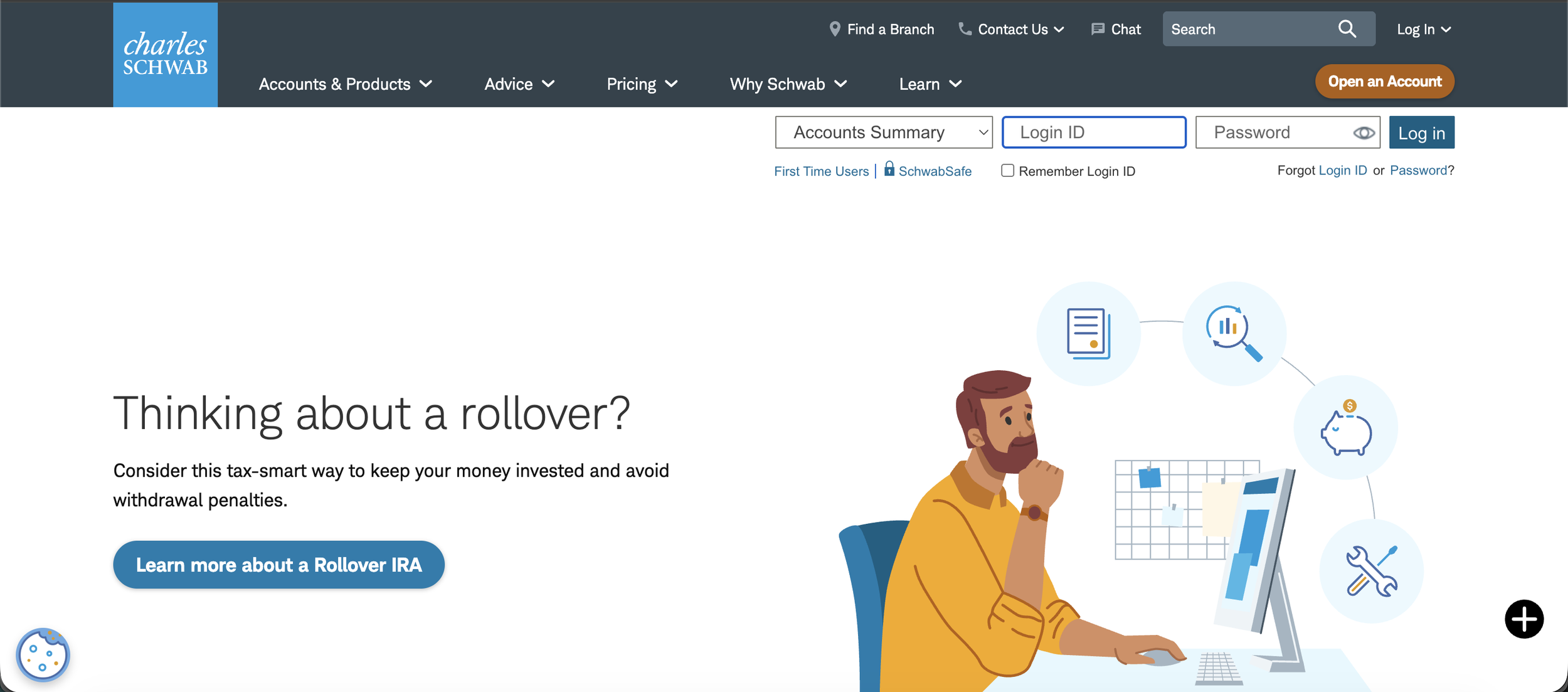
When users search “tariffs,” “investment basics,” or “stock market today,” Schwab ranks on the first page for thousands of high-value keywords. Their content, tools, and location pages drive 9.1 million organic traffic that would cost hundreds of thousands of dollars in paid ads each month.

These results stem from a scalable SEO strategy specifically designed for the financial services industry.
In this guide, you’ll learn:
What SEO means for financial institutions
How potential clients search for financial advice and services
A step-by-step SEO framework tailored for financial firms
Proven tactics for keyword targeting, site structure, content, local SEO, and authority-building
How to measure SEO performance and prove ROI
Let’s start with the basics.
What Is Financial Services SEO?
Financial Services SEO is the process of improving your firm’s visibility on Google and other search engines to attract qualified clients who are searching for financial solutions.
It includes:
On-page optimization: Optimizing service pages for high-intent terms like “financial advisor near me,” “wealth management firm,” or “business accounting services” using precise titles, headers, and keyword placement.
Technical SEO: Ensuring your site loads quickly, is mobile-friendly, and provides clear access to your firm’s services and credentials.Local SEO: Optimizing your Google Business Profile, NAP (Name, Address, Phone) listings, and reviews so local clients can find and trust your firm.
Content marketing: Publishing trustworthy content that answers key questions like “how to save for retirement,” “when to refinance,” or “how to reduce tax liability.”
Link building: Earning mentions and backlinks from credible sources such as financial publications, news outlets, and partner organizations to establish domain authority.
In short, SEO helps your financial firm get discovered by people actively looking for advice, investment guidance, or accounting help.
Also Read: Easy Guide to Create a Google Business Page
What Are the Benefits of SEO for Financial Firms?
SEO can be transformative for financial institutions, advisory firms, and consultants.
It helps you:
Attract qualified leads seeking financial guidance or planning assistance.
Build credibility and trust through consistent online visibility.
Increase conversions without depending solely on ads or referrals.
Today’s clients don’t flip through directories or wait for word-of-mouth referrals. They go straight to Google and search “best financial advisor near me” or “how to start investing.”
For example, there are 60.5K monthly searches in the U.S. for “financial advisor near me.” That’s a constant stream of intent-driven traffic.

Other common searches include:
Wealth management firm: 1.3K searches
Investment advisor: 9.9K searches
Retirement planner near me: 1.3K searches
Business accountant: 2.4K searches
Appearing at the top of these searches means consistent visibility to high-value prospects who are already ready to act.
Read More: SEO for B2B Manufacturers: How to Attract B2B Customers
6 Essential Financial SEO Strategies
These six strategies form the foundation of every successful financial SEO campaign.
1. Keyword Research
Keyword research identifies what your target audience is searching for and how competitive each keyword is.
Use Semrush’s Keyword Magic Tool

Begin with a broad seed term such as “financial advisor.” You’ll see hundreds of variations and related queries like:
“financial advisor near me”
“fiduciary financial advisor”
“retirement financial advisor”
Pay attention to three key metrics:
Search intent: Why someone is searching (informational, commercial, or transactional).
Search volume: How many people search for the term monthly?
Keyword difficulty (KD): How hard it is to rank for that term.
For example:
“financial advisor near me” → Commercial intent (ready to hire)
“how to save for retirement” → Informational intent (research phase)
Balance your keyword strategy across both types. Informational content builds trust, while commercial pages drive conversions.
Next, analyze competitors.
Semrush’s Keyword Gap reveals keywords that the top-ranking firms are targeting.
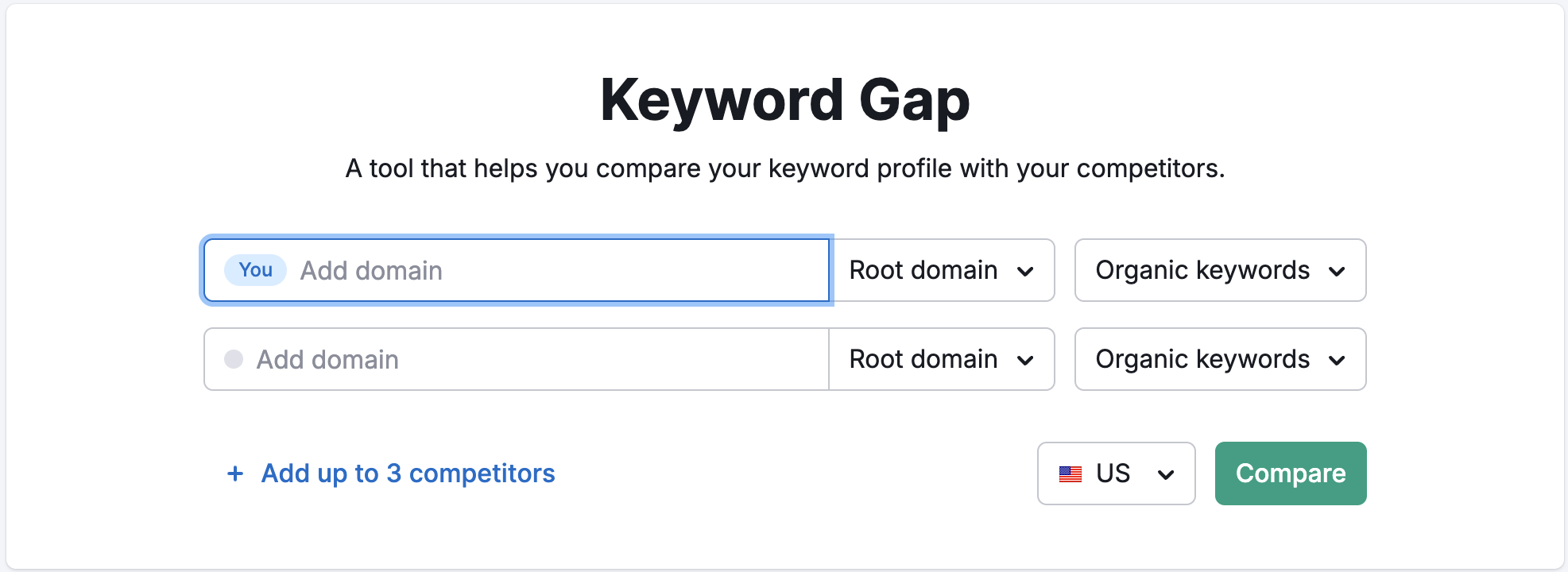
Look for “missing” and “untapped” keywords to expand your content coverage.
Pro tip: Focus on long-tail keywords such as “best wealth management firms in Dallas”; they attract local, qualified traffic with lower competition.
Also Read: Enterprise SEO Tricks & Techniques to Rank Higher
2. Local SEO
Financial services are trust-based, and clients often prefer nearby advisors. Local SEO ensures you appear in Google’s 3-Pack when someone searches locally.
Start with your Google Business Profile:
Add your firm’s correct name, address, phone number, and website.
Write a clear, keyword-rich description of your services.
Add high-quality office photos and team portraits.
Include your operating hours and service areas.
Enable messaging so prospects can reach you directly.
For example, Edward Jones locations appear prominently for “financial advisor near me” with complete GBP listings, consistent NAP info, and hundreds of positive reviews.
Build Local Citations
Add your business to directories like:
Yelp
BBB
Chamber of Commerce
SmartAsset Advisor Directory
Keep your business information consistent everywhere. Inconsistent listings confuse Google and can hurt your ranking.
Collect Reviews
Ask clients to leave honest feedback on Google and Yelp. A consistent review strategy signals trustworthiness and boosts local ranking.
Pro tip: Use an email follow-up or a QR code on your business card to simplify the process.
Also Read: Simplifying SEO for IT and Technology Companies
3. On-Page SEO
On-page SEO ensures your site communicates relevance to Google and clarity to clients.
Here’s where to optimize:
Title tags: Keep them under 60 characters and include your target keyword near the start. Example: “Wealth Management Services in Miami | Jones Financial Group”
Meta descriptions: Summarize your service in under 155 characters with the keyword.
Headers (H1, H2, H3): Structure content clearly. Each service should have a unique H1.
Alt text: Describe all images meaningfully, such as “Financial advisor reviewing client portfolio in office.”
Internal links: Connect related services and blogs to help users navigate easily.
Implement schema markup for Local Business and Financial Service types. This helps your site appear with enhanced listings such as star ratings, operating hours, and FAQs.
Also Read: Master AI SEO Optimization in 2025 for Top Rankings
4. Content Marketing
In financial services, trust is your strongest marketing asset. Content marketing helps you build it.
Publish Educational Content
Write clear, helpful guides like:
“How to Build a Retirement Portfolio at Any Age”
“Tax Planning Strategies for Small Business Owners”
“Top 10 Mistakes to Avoid Before Investing”
These attract readers who are actively seeking financial knowledge and may convert later.
Build Service and Location Pages
Create unique pages for each service (retirement planning, wealth management, tax strategy) and each city or region you serve.
Example:
/services/retirement-planning
/florida/miami-financial-advisor
Avoid copying content across pages. Write a distinct copy that reflects the local context and the client's needs.
Add Visuals and Tools
Offer calculators (retirement savings, loan payoff, investment growth) to keep users engaged and signal expertise.
Optimize for E-E-A-T
Google evaluates Experience, Expertise, Authoritativeness, and Trustworthiness.
Add verified author bios with credentials.
Link to credible financial resources (e.g., FINRA, IRS, CFP Board).
Include client testimonials and case studies.
Also Read: Advanced B2B SEO Strategy for 2025
5. Technical SEO
Your website should load fast, be secure, and work flawlessly on mobile.
Run a Site Audit
Use Semrush’s Site Audit check for:
Broken links
Missing alt text
Duplicate meta titles
Crawl errors
Improve Loading Speed
Run your website through Google’s PageSpeed Insights.
Optimize by:
Compressing images
Using a content delivery network (CDN)
Minifying CSS and JavaScript
Upgrading your hosting if load times exceed 3 seconds
Ensure HTTPS Security
Use SSL certificates. Financial websites must demonstrate encryption to protect client data and maintain credibility.
Mobile Optimization
Most financial searches happen on mobile. Responsive design, large CTA buttons, and simple menus improve engagement.
Also Read: Is SEO still worth it in 2025?
6. Link Building
Backlinks remain a major ranking factor in SEO.
Focus on quality, not quantity.
Analyze Competitors
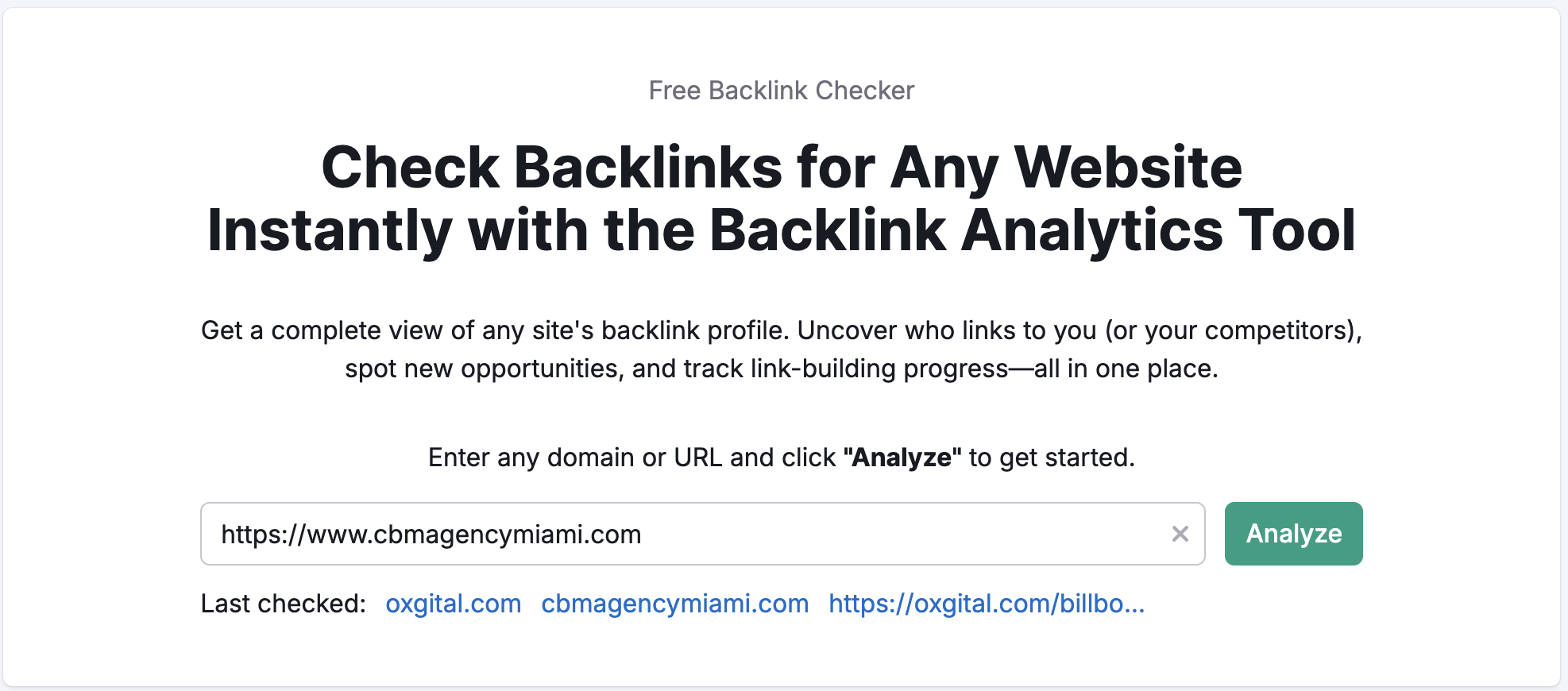
Use Semrush’s Backlink Analytics to see where competitors earn backlinks.
Earn Links from Trusted Sites
Submit guest posts to finance and business blogs.
Get featured in local or national financial publications.
Contribute expert commentary to news outlets.
List your firm on trusted directories like NerdWallet and SmartAsset.
Use PR and Partnerships
Collaborate with local business networks, accounting firms, or universities for co-authored content and shared exposure.
Monitor Toxic Links
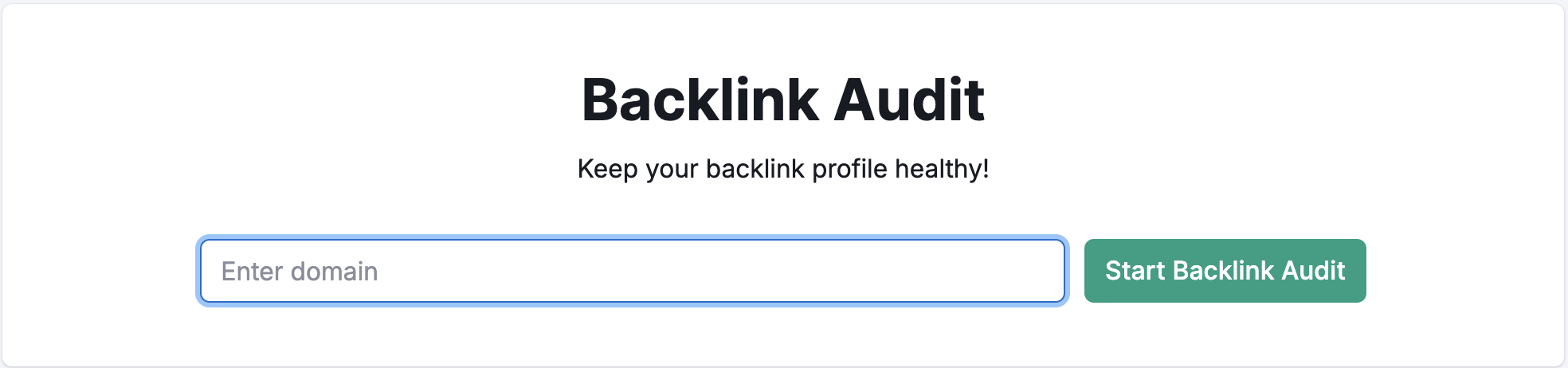
Use Semrush Backlink Audit to find and disavow harmful or spammy backlinks that can reduce your domain trust.
Read More: SaaS SEO: 5 Steps to More Leads
How to Attract More Clients with Financial SEO
SEO for financial services isn’t about tricks or short-term wins. It’s about creating trust, relevance, and visibility in the right places.
By combining the six pillars of SEO, you create a system that attracts ideal clients consistently.
CBM Agency Miami specializes in building search strategies for financial firms, wealth advisors, and accounting professionals who want measurable growth. Our team handles everything from technical optimization to authority-building content, allowing you to focus on serving clients.
If you want expert guidance, CBM Agency can help you develop a complete, performance-driven SEO strategy for your home service business.
Recommended Reading: